When better decision becomes a competitive advantage: Cellera Farma's strategic shift
Cellera Farma integrated demand, supply and finance into a single model to decide with greater agility and predictability.
When business complexity exceeds traditional processes
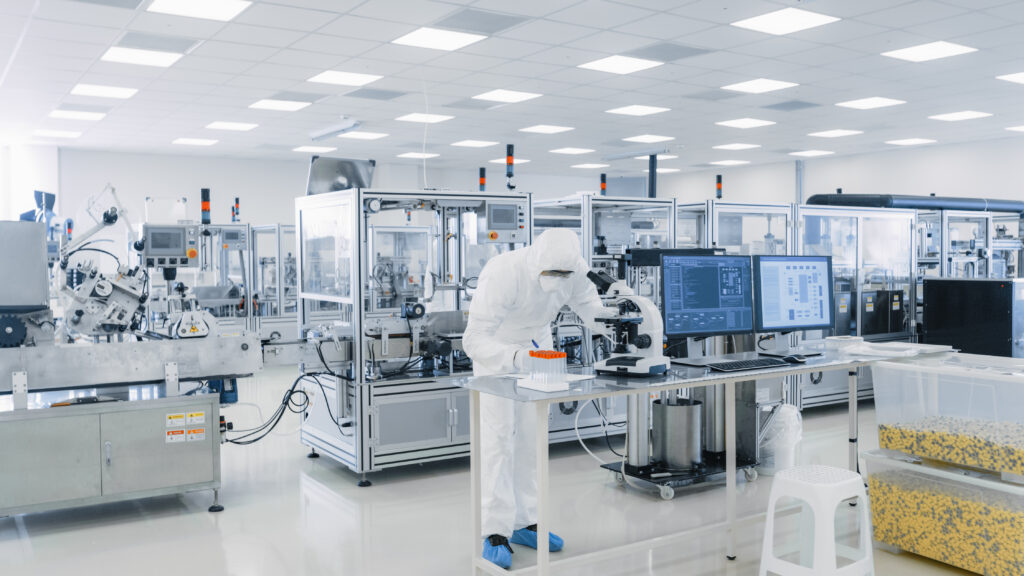
The pharmaceutical industry is facing increasing structural challenges: high demand volatility, strict regulatory frameworks, broad portfolios, and strong pressure to ensure service levels without compromising inventories or financial results. In this context, Cellera Farma operated with fragmented planning processes, supported by multiple spreadsheets, isolated tools and information flows that were not synchronized between sales, operations and finance.
Decision-making relied heavily on manual processes and late reconciliation, making it difficult to anticipate deviations, assess cross-impacts, and respond quickly to changes in demand or operational restrictions. The lack of an integrated vision of the business generated both operational and financial risks, affecting the agility and quality of strategic decisions.
The need to unify plans, criteria and decisions
Faced with this scenario, Cellera Farma set out to transform its way of planning the business, integrating tactical and operational planning into a single process. The objective was to connect S&OP, Demand Planning, inventory planning and the financial impact of each decision, ensuring coherence between business, production and economic plans.
The company needed a platform that would allow working with scenarios, reducing planning cycle times and providing areas with collaborative tools to analyze alternatives before executing. Integrating tactical planning with operational execution became key to anticipating risks, balancing supply and demand, and improving responsiveness to a highly dynamic environment.
From reactive planning to a predictive model with Pyplan
To accompany this transformation, Cellera Farma implemented Pyplan as a platform for Integrated Business Planning (IBP), integrating demand, supply, inventory and financial plans into a single model. Through the modules of S&OP, financial integration and portfolio management, a single version of the truth was built, flexible and adaptable to the company's own processes.
The model allowed us to simulate what-if scenarios, evaluate financial impacts in real time and automate analyses that previously required weeks of manual work. Pyplan's intelligent agents and generative AI capabilities facilitated predictive analysis, the early detection of deviations and the generation of actionable insights for decision-making.
The integration between tactical planning (S&OP) and operational execution (S&OE) allowed Cellera Farma to move from a reactive approach to a predictive and prescriptive one, improving the accuracy of plans, reducing bankruptcies and significantly shortening planning cycles. The result was a more aligned, agile organization prepared to make decisions with a real impact on the business.
Discover how Pyplan can help you integrate demand, supply and finance into a single intelligent process.
Learn about our solutions or talk to an expert:
👉 https://pyplan.com/es/entre-en-contacto/

You might also be interested

Data governance for planning with confidence
Control, traceability and consistency in each Bajada number

Modeling the business, not just the numbers
How Pyplan's influence diagrams transform complex rules into clear decisions

Preparing data for better planning
Quality, structure and scalability from the first model
See Pyplan in action
we will get in touch with you!