
From any source to a single version of the truth
How Pyplan integrates and prepares your data for reliable planning
In most organizations, planning fails before it starts. Not for lack of sophisticated models or attractive dashboards, but for something much more basic: the data is not ready to be used.
Critical information is dispersed among transactional systems, archives, analytical platforms and centralized repositories such as data lakes. Added to this are manual processes, multiple versions and a strong dependence on IT, which make integrating data slow, fragile and difficult to scale.
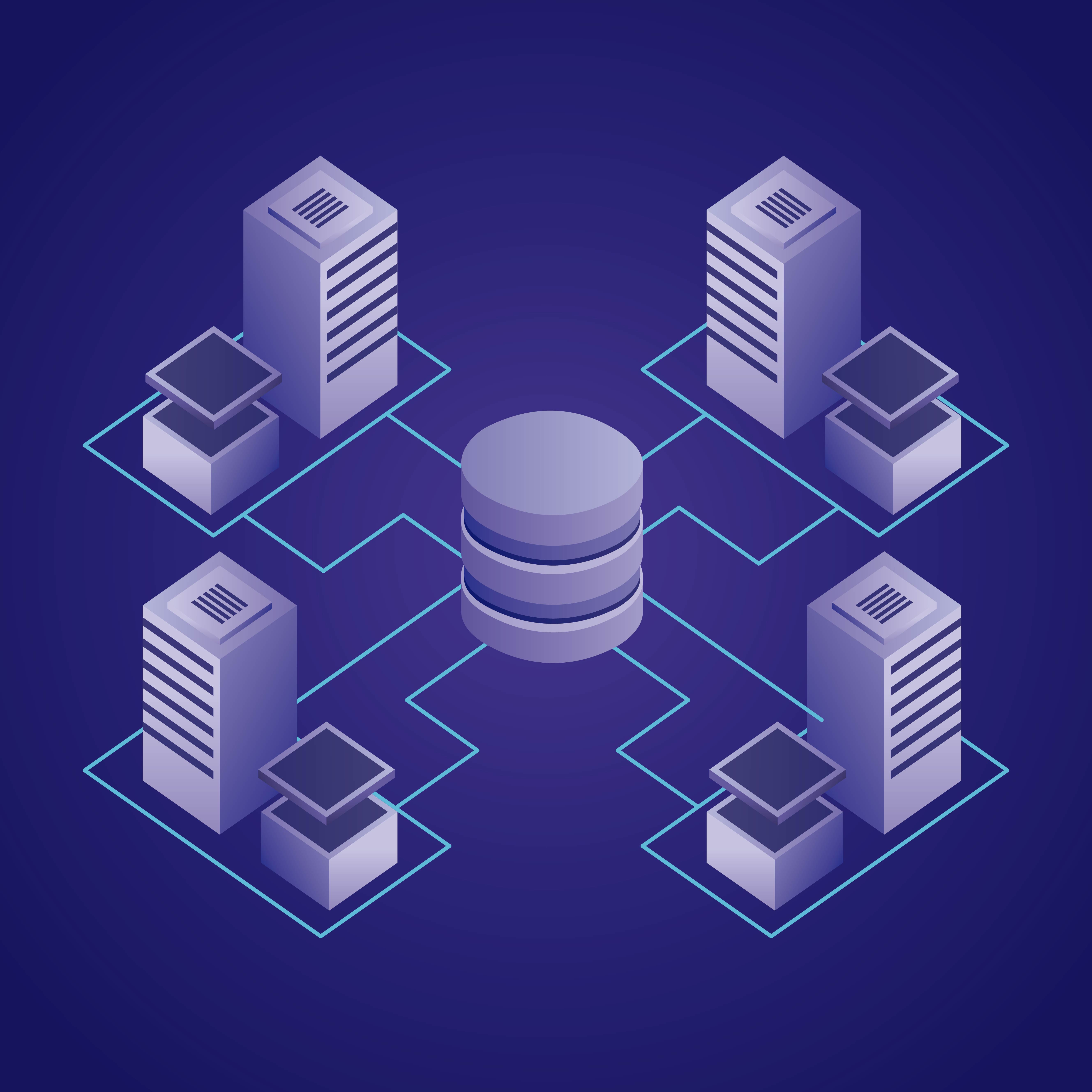
The layer of Data Of Pyplan exists to solve that problem from the source: connect, organize and prepare data from different sources, creating a single consistent basis for planning.
Connect to the real business ecosystem
Pyplan is designed as an open platform, designed to coexist with the existing technological architecture. It doesn't impose forced migrations or replace systems that already work, but it integrates with them.
From the Data layer, Pyplan can work with information from:
- Transactional systems and ERPs
- Relational databases
- Files and spreadsheets
- Corporate data lakes, used as a central repository of information
- APIs, both internal and external, to exchange data with other systems
This flexibility allows Pyplan to adapt both to traditional architectures and to modern environments based on cloud and advanced analytics.
Data lakes as a source for planning, not just for analysis
In many organizations, data lakes concentrate large volumes of historical and operational information, but are often disconnected from planning processes.
Pyplan allows you to use these data lakes as direct source of data for planning, without duplicating information unnecessarily. In this way, the models work on centralized data, updated and aligned with the company's data strategy.
This enables scenarios where:
- Planning is supported by large volumes of historical information
- Analytical and operational data coexist in the same model
- Fragmentation between analysis and decision is reduced
API integration: automation and flexibility
In addition to connectors and structured sources, Pyplan can be integrated using APIs, which significantly expands the possibilities of automation.
API integration allows, for example:
- Receive data from specific business applications
- Send planning results to other systems
- Automate information flows between Pyplan and the rest of the ecosystem
This approach is key for organizations looking for more integrated planning processes, without relying on manual loads or technical intermediaries.
Prepare the data for the model to work
Integrating data is just the first step. For a planning model to work properly, the data must be structured according to business logic, not only depending on the system that generates them.
Within the Data layer, Pyplan allows:
- Transform and normalize information
- Build business hierarchies (products, customers, regions, centers, etc.)
- Consolidate and disaggregate data according to different levels of analysis
- Align structures between multiple sources
This process occurs within the platform and is directly connected to the Modeling layer, avoiding external dependencies that are difficult to sustain over time.
Governance and trust from the start
Planning requires trust. That's why Pyplan incorporates governance principles directly into its data architecture.
The platform allows you to work with:
- Traceability of the data used
- Separation between production and simulation spaces
- Controlled environments that prevent accidental impacts during operation
This enables safer collaborative work, where teams can explore scenarios and alternatives without compromising the integrity of official information.
The foundation on which everything else is built
The Data layer is not an isolated component. It is the foundation on which Python models, interactive dashboards and artificial intelligence agents are based.
When data is well integrated—from ERPs to data lakes and APIs—prepared and governed, planning ceases to be a reactive exercise and becomes a true strategic capability.
Modern planning starts long before the model. It starts with reliable data, integrated and aligned with the reality of the business.
👉 Learn how Pyplan transforms your data into a solid base for better planning https://pyplan.com/contact-us/
You might also be interested
Data governance for planning with confidence
Control, traceability and consistency in each Bajada number

Modeling the business, not just the numbers
How Pyplan's influence diagrams transform complex rules into clear decisions
Preparing data for better planning
Quality, structure and scalability from the first model
See Pyplan in action
we will get in touch with you!